A big storm just blew through New Caney, and now you’ve got a tree branch sticking through your fence or, even worse, a whole tree leaning dangerously over your roof. Scary stuff, right? Your first thought might be to grab a chainsaw. But hold on a second. Emergency tree removal isn't like trimming a rose bush. There are serious risks involved, and knowing when to call in the pros versus what you can actually handle yourself is super important.
Before the Storm Hits (Or When You Notice a Problem)
Look, you can't always predict a sudden gust of wind or a microburst, but you can often spot a tree that's just waiting to cause trouble. I've seen plenty of them around New Caney, especially with our clay soil that can get super saturated and make trees wobbly. Keep an eye out for these things:
- Cracks in the trunk or the main limbs.
- Hollow spots or a lot of decay.
- Mushrooms growing at the tree's base or right on the trunk.
- Trees leaning a lot, especially after heavy rain.
- Branches rubbing against your house or, yikes, power lines.
If you see any of these, don't wait for an emergency to happen. Get a professional out there for an assessment. It's way cheaper and safer to deal with a potential problem before it turns into a full-blown catastrophe, believe me.
When Disaster Strikes: Immediate Steps
Okay, the worst has happened. A tree or a big limb is down. First thing’s first: safety. This isn't just a suggestion; it's a rule you absolutely cannot break.
- Stay Clear: Assume any downed power lines are live. Seriously, don't go near them. Call Entergy or your power provider right away. Even if you don't see lines, a tree could be touching them in a way you can't spot.
- Assess the Damage (from a safe distance): Is anyone hurt? Is the tree on your house, your car, or blocking a crucial exit?
- Call for Help: If there's structural damage to your home, gas leaks, or downed power lines, call 911. Then, once the immediate danger is taken care of, call a reputable tree service. This is where companies like All Star Tree Service come in. We've got the gear and the know-how to handle these dangerous situations safely.
- Document Everything: Take photos and videos from all sorts of angles. This is super important for your insurance claim later on.
What can you do yourself? Honestly, not much in a real emergency. If it's a small, easy-to-manage branch that's clearly not near power lines and isn't causing structural damage, and you're comfortable and experienced with a chainsaw, maybe you can clear it. But if there's even a shred of doubt, any contact with your home, or any risk of further collapse, you call a pro. Don't try to be a hero; just be smart.
During the Removal Process
Once you've called in the professionals, here's what to expect and what you should be doing:
- Clear the Area: Keep pets, kids, and curious neighbors well away from the work zone. Tree removal is dangerous, even for experienced crews.
- Communicate: Point out any concerns you have, like underground sprinkler lines or septic systems, before they even start.
- Ask About Insurance: A good company will have liability insurance and workers' compensation. Make absolutely sure they do. You really don't want to be on the hook if someone gets hurt or more damage happens.
- Don't Rush Them: Good work takes time. Don't pressure the crew to speed things up. They're working carefully to keep everyone safe and avoid more damage.
After the Tree is Removed
So, the tree's gone, the immediate danger is over. What's next?
- Debris Cleanup: Most professional services will clean up and haul away the debris. Confirm this ahead of time. If you've got a lot of smaller branches, you might be able to chip them yourself if you own a chipper, or bag them for yard waste pickup.
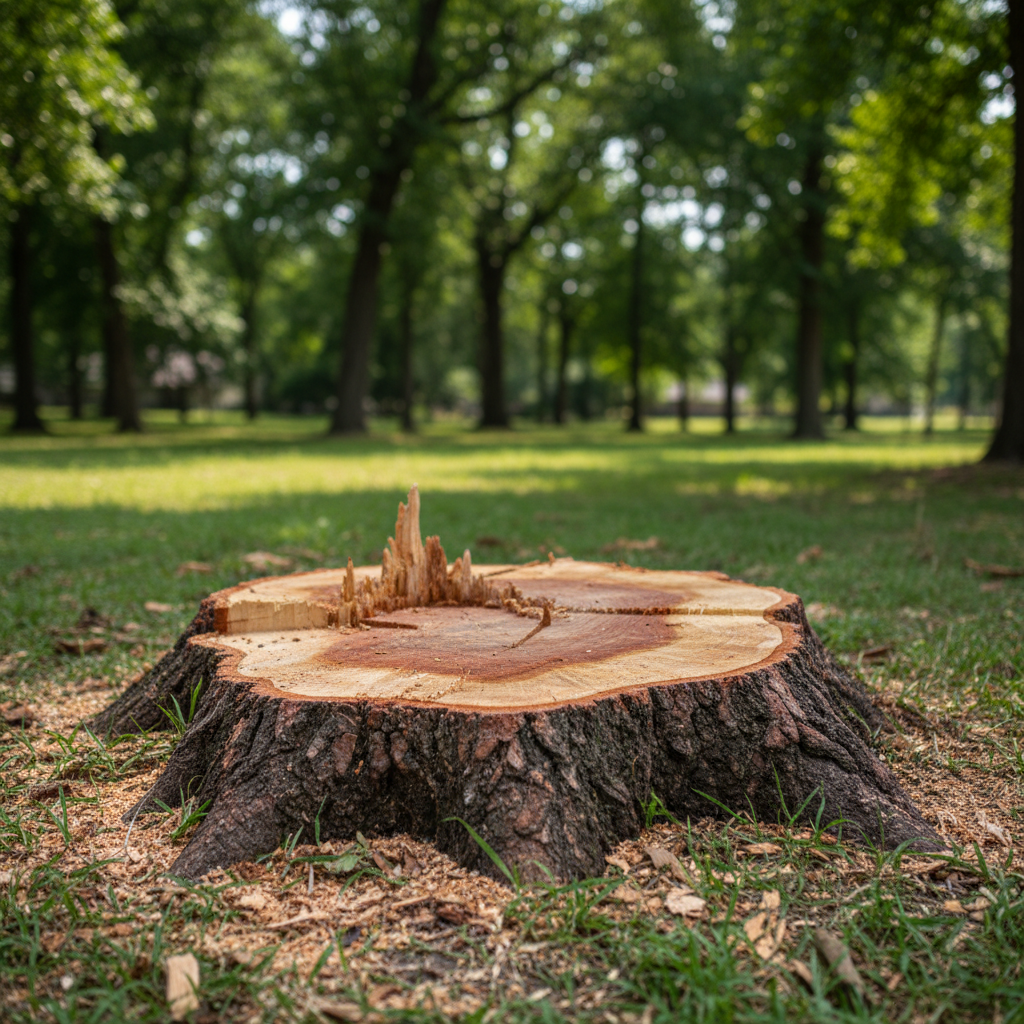
- Stump Grinding: You'll probably have a stump left. Talk about stump grinding with your tree service. It's usually an extra service, but it's worth it to prevent tripping hazards and make replanting easier.
- Review Your Property: Walk around and check for any additional damage you might have missed. Compare it with your 'before' photos.
- Contact Insurance: Start your insurance claim as soon as you can. Give them your photos, the tree service's invoice, and any other relevant paperwork.
- Consider Future Prevention: Think about what caused the emergency. Was it an old, unhealthy tree? Was it planted too close to your house? Plan for your future landscaping to prevent similar issues.
Dealing with an emergency tree removal is stressful, no doubt, but by knowing what to do and when to call in the experts, you can get through it safely and efficiently. Your safety, and the safety of your property, is always the number one priority.