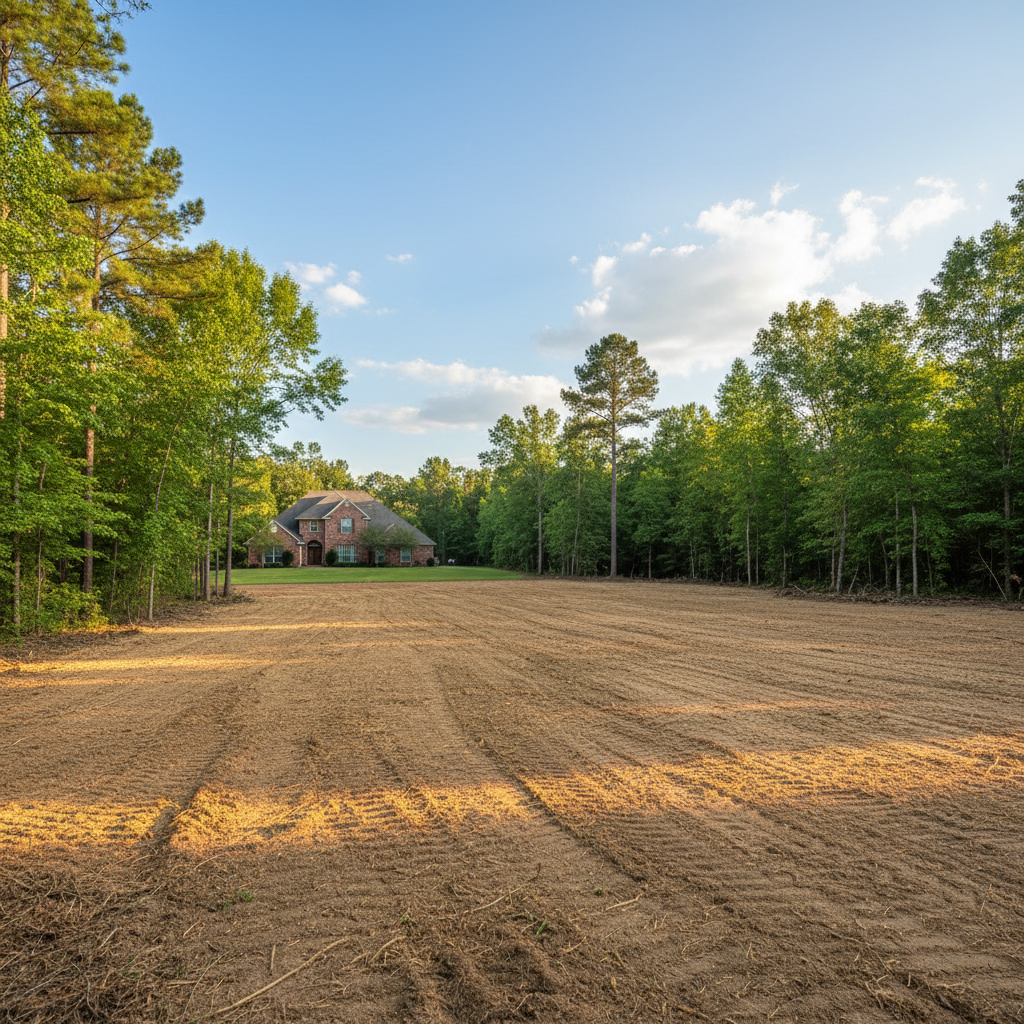
So, you've got some land in New Caney and you're thinking about clearing it. Maybe you're putting up a new house, adding a workshop, or just want to get back some overgrown space. Whatever the reason, land clearing is a big job, and you really shouldn't jump into it without a solid plan. I've seen plenty of these projects over the years, and I can tell you, a little prep work makes a huge difference.
Understanding the Land Clearing Timeline
How long does land clearing actually take? That's probably one of the first things you're wondering, right? The honest answer is, it depends. This isn't like ordering a pizza; there are just too many variables. First off, the size of your property plays a huge role. Clearing a quarter-acre lot is a totally different animal than tackling five acres. Then, think about how dense the vegetation is. Are we talking mostly brush and small saplings, or are you looking at mature pine trees and thick undergrowth that's been left untouched for decades? We've certainly got plenty of those dense, woody areas around here, especially closer to the river bottomlands.
Permits are another big one, a real sticking point sometimes. You might need one from Montgomery County, or even from the city if your property falls within certain limits—particularly if you're dealing with wetlands or protected species. Don't skip this step; fines can be a massive headache, believe me. Getting those permits can add weeks, sometimes even a month or two, to your timeline before any actual work even starts. And don't forget to factor in the contractor's schedule too. Good crews, like us at All Star Tree Service, are often booked out a bit, especially during peak building seasons. My best advice? Start planning and getting quotes at least 2-3 months before you want the clearing to begin.
What to Expect During the Process
Okay, so you've got your permits and a crew lined up. What actually happens next? Well, it's not just a bunch of guys with chainsaws, though there will be some of that, of course. The process usually kicks off with the crew doing an initial site assessment to confirm the scope and pinpoint any specific challenges, like steep grades or tricky access points. Then, depending on your project, you'll see a variety of equipment. Skid steers, excavators, mulchers, dozers – these are the real workhorses of land clearing. They'll systematically remove trees, brush, and stumps.
There are different methods, too. Some projects call for 'cut and haul,' where everything gets cut down and hauled off-site. This leaves a very clean slate, but it can be more expensive because of disposal fees and transportation. Another common method, especially for bigger tracts, is 'mulching' or 'grinding.' This uses specialized equipment to grind up all the vegetation right there on your property, leaving behind a layer of organic material. It's often more environmentally friendly, can be quicker, and that mulch can even help with erosion control. You'll definitely want to talk about these options with your contractor.
Expect noise and dust, especially if it's dry out. We do our best to keep disruption to a minimum, but let's be real, it's heavy machinery doing heavy work. Communication is key here. Your contractor should keep you updated on progress and any unexpected issues that pop up. Sometimes we uncover old foundations, buried pipes, or even just a surprising amount of rock – that's when you really appreciate a good crew who can adapt.
How to Prepare Your Property
Before the crew even shows up, there are a few things you can do to make the job smoother and maybe save yourself some money. First, clearly mark your property lines. Don't just assume everyone knows where your fence ends or where your neighbor's property begins. Use flags, spray paint, whatever you need. If you have a survey, give it to the contractor.
Next, identify anything you want to keep. Are there specific trees you want to save? A patch of wildflowers, perhaps? Mark those clearly too. If you've got utilities running through the property – power lines, water pipes, septic systems – make sure they're located and marked. Call 811 before you dig, absolutely. It's free, and it can prevent a very expensive mistake. Also, clear away any personal items, old equipment, or junk that's on the land. The less the crew has to move or work around, the faster and more efficient the job will be.
Think about access. Is there a clear path for large equipment to get onto your property? Sometimes we need to temporarily remove a fence section or trim back some overhanging branches just to get our gear in. The more thought you put into this upfront, the fewer surprises there will be.
Questions to Ask Before You Sign a Contract
This is where you protect yourself and make sure you're getting a fair deal from a reputable company. Don't be afraid to ask tough questions. Here's what I'd want to know:
- Are you licensed and insured? This is non-negotiable. You need to see proof of both liability insurance and workers' compensation. If they can't provide it, walk away.
- What's included in the quote? Does it cover stump removal, debris hauling, and site cleanup? Or are those extra charges? Get a detailed breakdown.
- What's your estimated timeline? Get a realistic start and completion date, and ask about any factors that might cause delays.
- What equipment will you be using? This gives you an idea of their capabilities and methods.
- How will you handle unexpected issues? What if they hit a buried utility or find something they didn't anticipate? How will that affect the cost and timeline?
- Do you have references? A good contractor will be happy to provide them. Call them! Ask about their experience, communication, and whether the project stayed on budget.
- What's your payment schedule? A reputable company won't ask for 100% upfront. A reasonable deposit is fine, with payments tied to project milestones.
- What about permits? Will they help you with the permit process, or is that entirely on you? Clarify this early.
Choosing the right contractor for your land clearing project in New Caney is crucial. Take your time, do your homework, and don't rush into anything. A well-planned and executed land clearing project sets the stage for whatever you have in mind for your property, and that's worth doing right.